Background
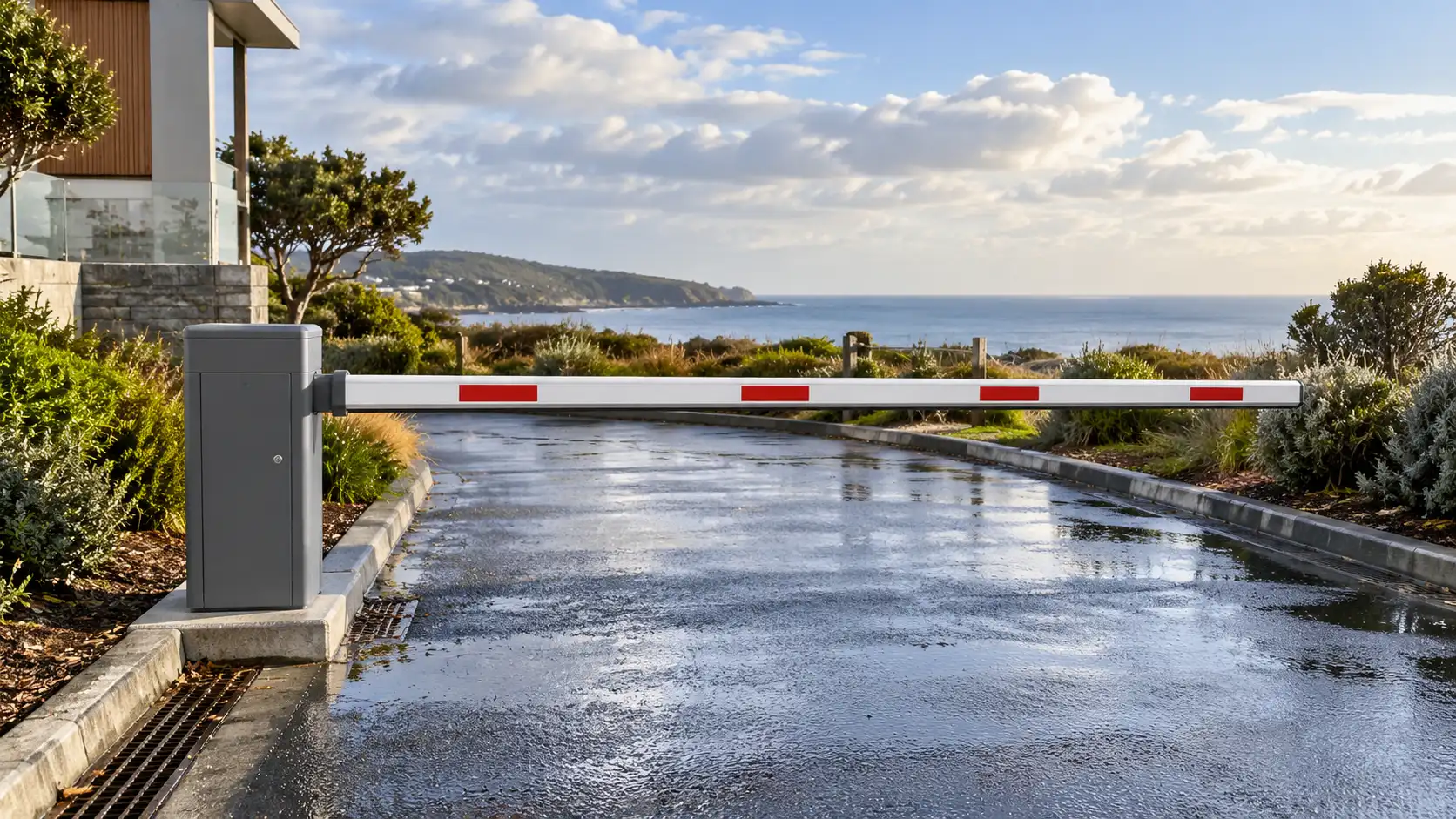
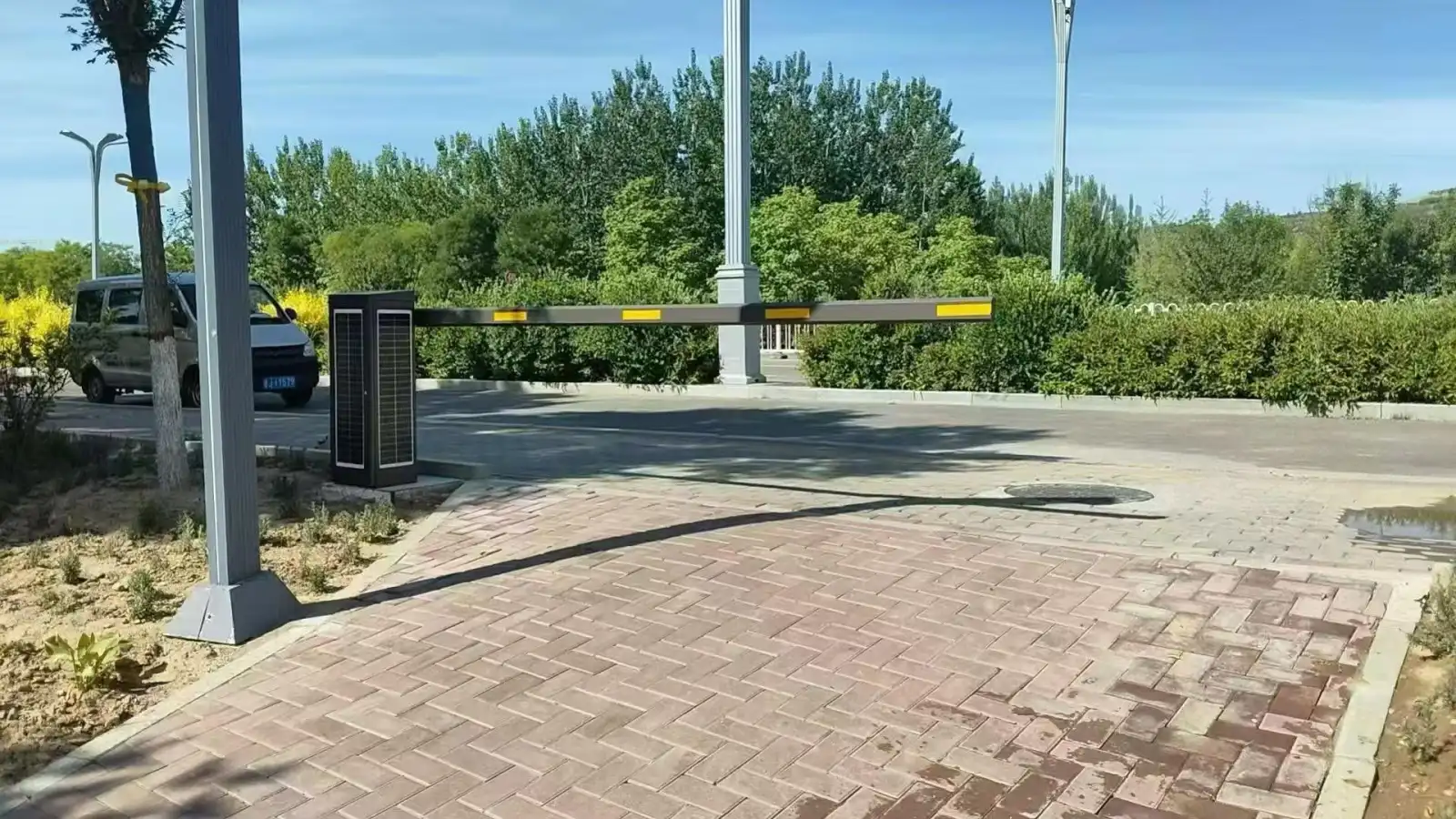
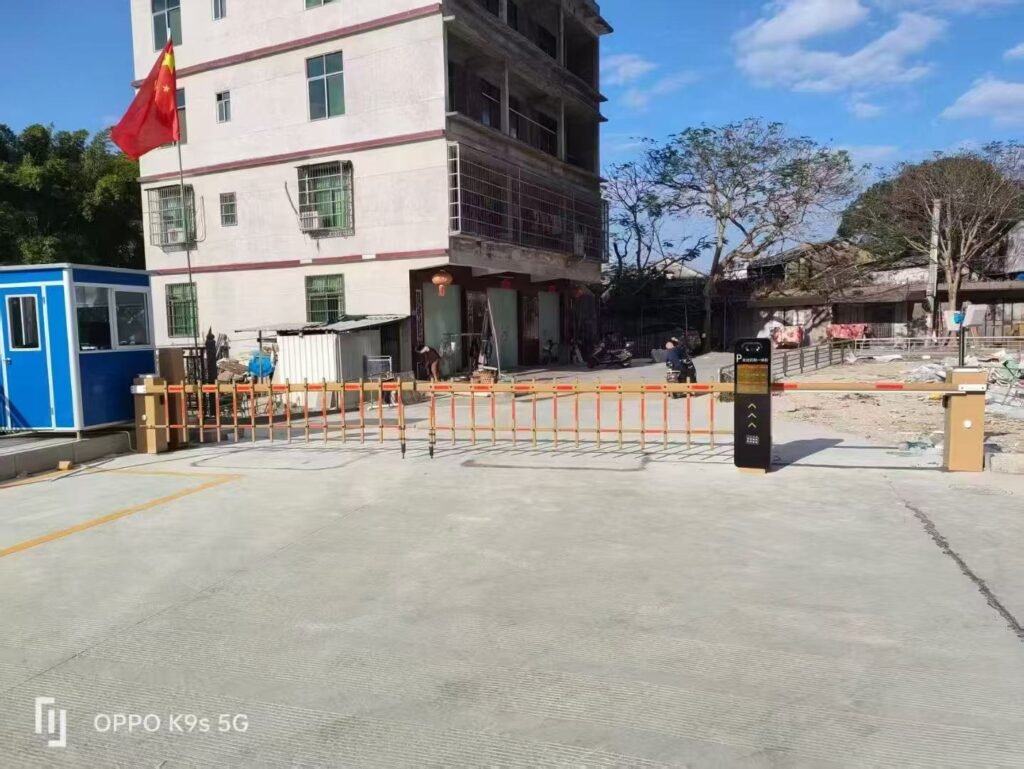
This layout uses two separate entry points: one lane for cars and another for motorcycles and e-bikes. The aim is to manage permissions, reduce routine manual checks and make approaching traffic easier to organise. The layout is a starting point for design; it is not evidence of measured safety or throughput.
Challenges
- Cars and two-wheelers approach, stop and follow one another differently.
- Peak-hour queues and repeated permission checks can increase the guard’s workload.
- Unauthorised entry and following closely behind another vehicle need an explicit response.
- Daily operation, maintenance access and future integration need to be planned together.
Solution
Entry 1: car lane
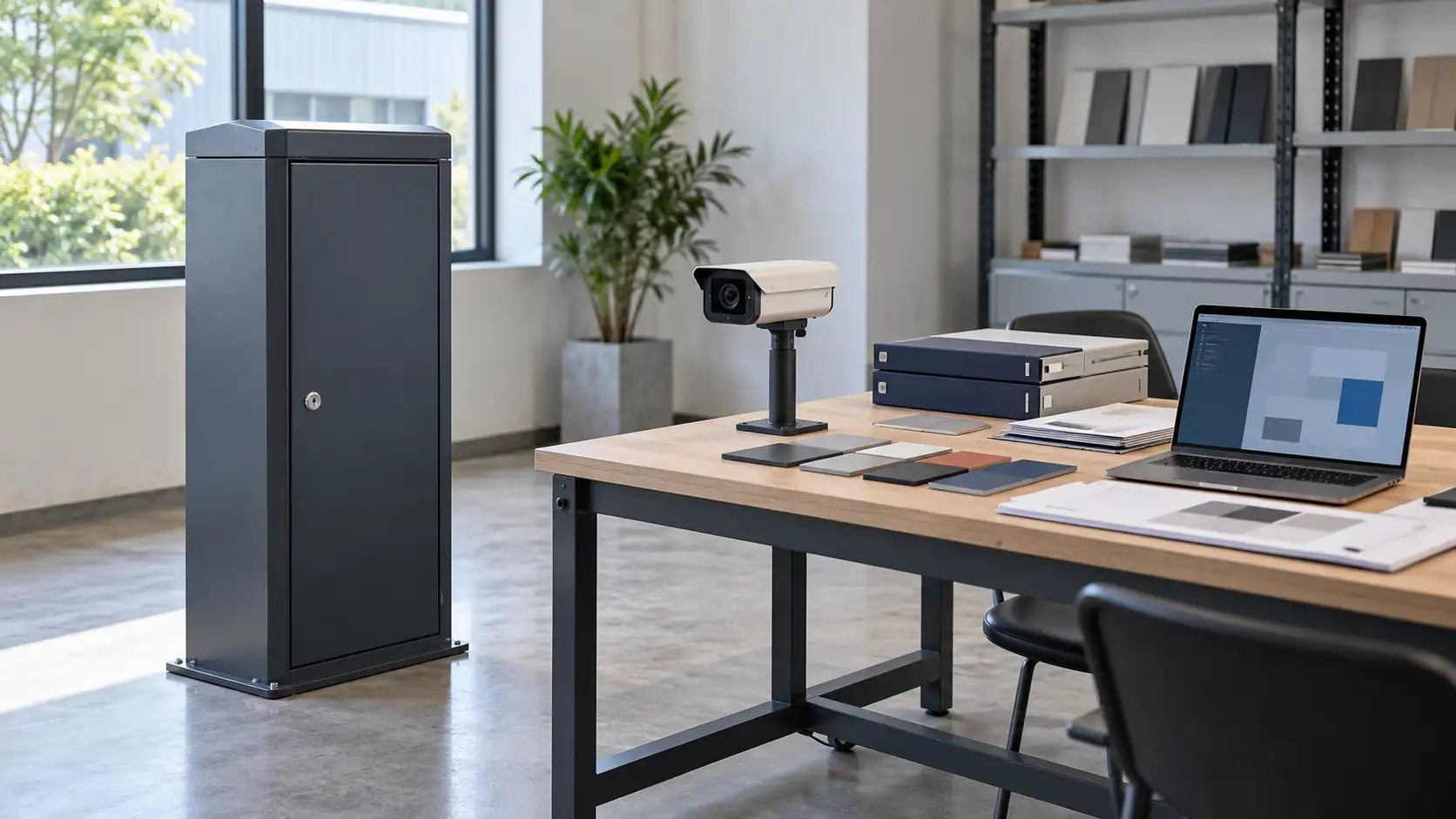
An ANPR/LPR camera reads the plate and passes the result to the configured permission check. Only a valid authorisation should request an opening from the barrier controller; plate recognition alone is not an access decision.
Define the approved-vehicle list and the rules for temporary vehicles in the selected software. Check what happens when a plate is unreadable, a permit has expired, or the network is unavailable.
Entry 2: motorcycle and e-bike lane
RFID cards or an authorised remote-control arrangement can provide the opening request. Confirm the reader, controller and credential compatibility for the supplied configuration.
Lane guidance can help organise traffic, but it does not by itself prevent tailgating or protect riders. Review detector coverage for the actual two-wheelers, the moving barrier area and a separate pedestrian route with the installer.
Results and acceptance checks
The intended results are smoother movement, fewer routine interventions and clearer access records. No quantified before-and-after performance or maintenance results are supplied here.
At handover, test permitted and denied entries in both lanes, temporary permissions, unreadable credentials, close-following vehicles and the agreed outage procedure.
Confirm emergency/manual release, the responsible operator, record access and maintenance instructions. Do not bypass protective devices to make a failed test pass.
Future expansion depends on the controller, software edition and documented interfaces. Agree the integration scope before adding devices.
Preparing a quotation
Send the two lane widths, approach photos, expected vehicle types, existing controller details and preferred permission methods. Shunjie can help review the required cameras, barriers and access devices.