When parking operators choose a vehicle number plate recognition barrier in 2026, the practical gain is fewer routine steps at the gate. A driver can enter without taking a parking card. The system can use the same vehicle record to find the fee and verify payment at departure. Whether that is worth installing depends on where drivers wait today and how often they still need help.
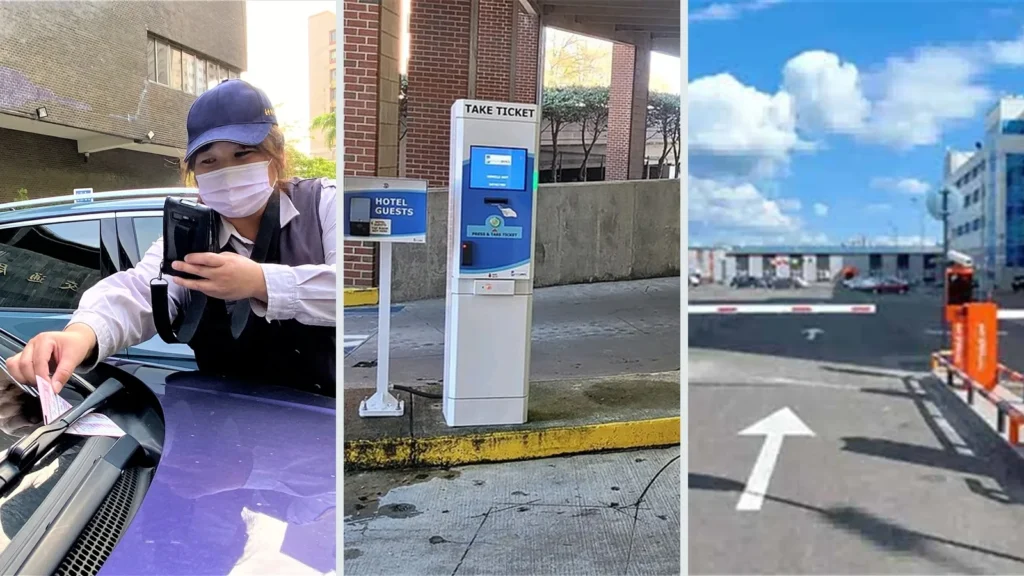
Here are three ways to run the same parking visit. In the first, an attendant handles payment with a portable terminal. In the second, the driver takes a parking card and pays a cashier. In the third, cameras and the parking system handle routine gated access, with help available for exceptions.
1. Parking payment with a handheld terminal
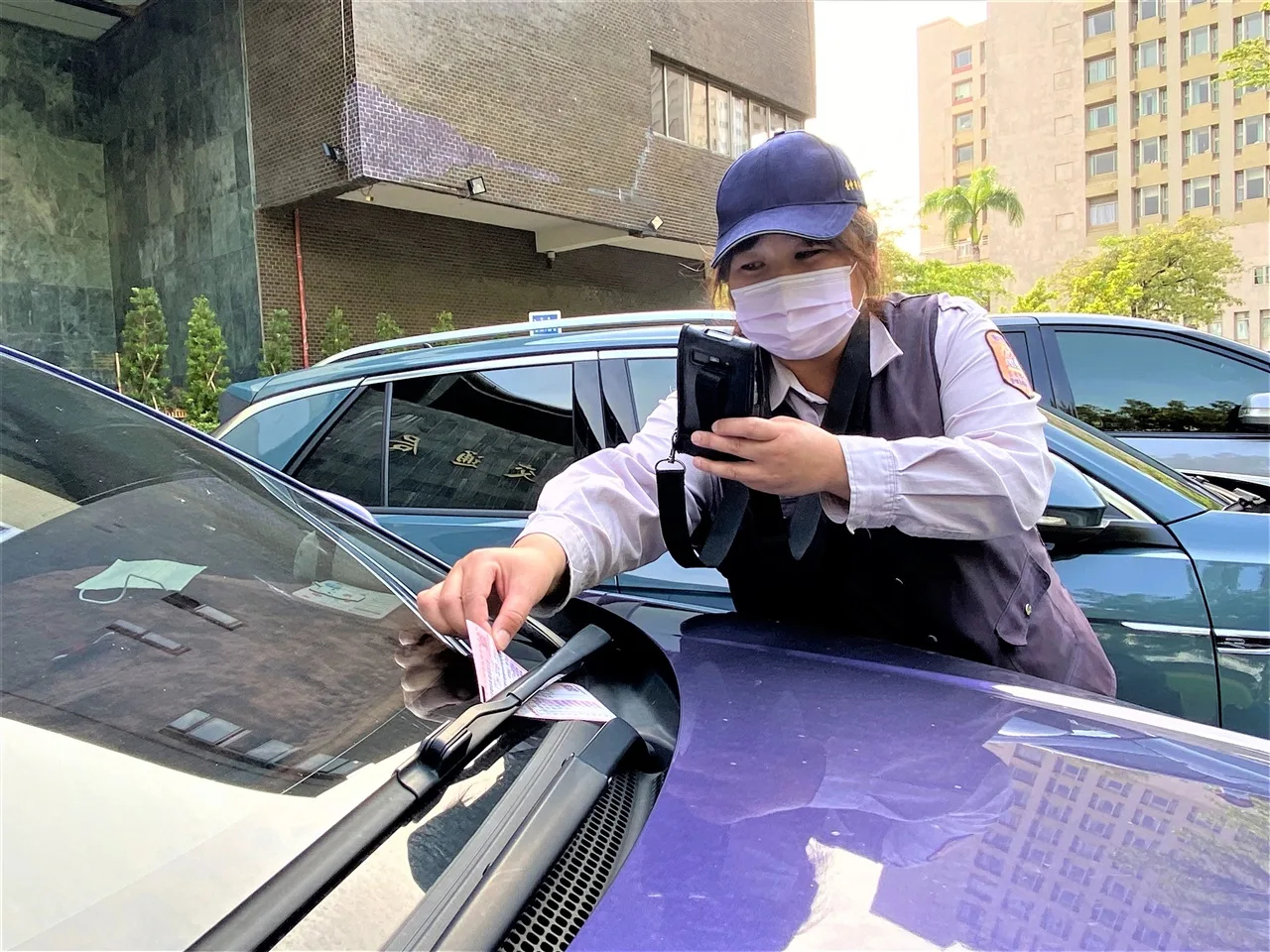
This works when vehicles can reach their spaces without a permanent cashier booth, such as curbside bays, an open lot or overflow parking. The attendant goes to the vehicle, or meets the driver at a designated place. The terminal can keep a digital record even though a person still handles the visit.
How a visit works
- Register the stay. The attendant records or retrieves the plate, bay or ticket number and start time. In some systems the terminal takes a plate photo or opens a stay already created by the parking platform. Check which data your terminal actually receives.
- Find the fee and take payment. The attendant looks up the stay and checks the displayed fee. The terminal may show or print a payment QR for the driver to scan. With a compatible payment service, the attendant may instead scan a customer’s payment code or take a bank card.
- Close the visit. The attendant verifies payment for the correct vehicle and gives the driver the receipt or reference. If another worker covers the exit, decide how they will see that payment before the vehicle leaves.
Shanghai’s Changning District documents staffed roadside payment using a QR code generated on a handheld device. That code opens payment for the stay. A QR used to find a bay, scan a parking ticket or issue a receipt serves a different step. Changning District’s roadside parking guide.
- What you gain. Operators can move between parking rows, answer questions and support drivers who have no suitable phone if a second payment method is provided. The site may need less fixed equipment.
- What still takes time. Someone has to be available, find the stay and verify collection. At a busy site, the wait can move from the gate to the parking bay or an exit checkpoint.
- What to prepare. Give each shift charged devices, network coverage, a shared view of paid visits and a way to reconcile payments at handover. If a slip is lost, look up the original stay by the available plate, bay, time or receipt details before opening another order. If the terminal loses connectivity, follow the agreed fallback and reconcile any later payments against that stay.
2. Take a parking card and pay a cashier

The entrance issues a temporary parking card that identifies the visit. The driver keeps it until departure. The cashier can calculate the fee with parking software, apply an approved discount and take an accepted payment method.
How a visit works
- Take the card at entry. The dispenser issues a card and creates an arrival record. The barrier releases the driver when the entry conditions are met.
- Present the card when leaving. At an exit booth or staffed counter, the cashier reads it to find the arrival, confirms the fee and handles eligible discounts or invoices. A bank card can be used for payment if accepted. The entry card is the parking credential.
- Complete the exit. If the booth is in the exit lane, the cashier closes the payment and authorises passage. If the counter is elsewhere, the system must make the validated card usable at the exit. Follow the site’s return or collection procedure for reusable cards.
- What you gain. Casual drivers can use the parking card without a smartphone. The cashier can deal with cash where supported, complex discounts, receipts and customers who need assistance.
- What causes queues. Drivers stop to take a card. If payment happens in the exit lane, each calculation, payment or exception holds that lane for the driver behind. An off-lane cashier trades some vehicle waiting for an extra walk and requires the exit reader to see the validation.
- What to prepare. Budget for the dispenser, cards, reader or collector, fee software and cashier coverage. Test an empty dispenser, a failed card read and a lost card. Verify the original arrival where possible and apply the posted lost-card procedure before closing the visit.
For an existing card lane, check reader and card compatibility before replacing hardware. SHUNJIE’s SJZNPX-1 product page lists IC/ID card access, visitor card dispensing and capture. Confirm the cashier connection, payment devices and intercom as parts of the complete project. SJZNPX-1 card terminal.
3. Unattended number plate recognition barriers
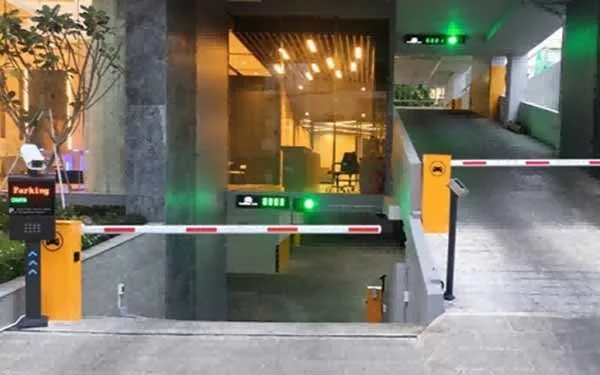
Automatic number plate recognition, called ANPR or LPR, reads the licence plate. Parking software applies the permission and fee rules, and the controller operates the barrier. Routine vehicles can move through without a cashier serving each one. The operator still needs a reachable person or team to resolve exceptions.
How a visit works
- Read and admit. The entry camera reads the plate. The system checks the site’s rule, such as a permit, booking or available public admission. When an eligible driver enters, the system creates or updates their parking record.
- Match payment to the stay. Depending on the setup, the driver pays on a phone, at a kiosk or on an exit terminal. At a pay station they may still have to enter or confirm the plate. The fee and payment response must be linked to the correct parking visit.
- Verify and open the exit. The exit read identifies the stay. The system checks payment, a free stay or another applicable rule, then authorises the controller to release the vehicle. Lane detection and safe barrier movement remain separate checks.
For a documented 2026 example, Mid Yorkshire Teaching NHS Trust introduced ticketless ANPR at its visitor car parks. It described asking visitors to enter their registration at a pay station and also offering payment by card at the barrier. The payment step can remain even when arrival and stay identification are automated. Mid Yorkshire’s 2026 rollout.
- What you gain. Regular drivers can avoid taking or handing back a card. When entry, payment and exit match, staff can find one record for the visit and spend their time on exceptions.
- Where delays remain. Poor plate visibility, a wrong plate entered at a payment machine, an unmatched exit or a payment update that has not arrived can still stop the driver. If most people pay at one exit terminal, payment can still create a queue there.
- What to prepare. Plan cameras at the required lanes, a compatible parking platform and payment connection, a safe barrier setup and a help point. Give staff access to find the original visit and permission to act under the site’s procedure. If the driver has already paid, check the existing payment and record before asking for another transaction. What to check when a paid vehicle cannot exit.
Compare queues, staffing and the record you keep
Use the differences below to decide where you want the driver to stop and who will deal with the exceptions.
| Operating question | Handheld payment | Card and cashier | Unattended ANPR |
|---|---|---|---|
| What identifies the stay? | Ticket, bay or plate in the terminal. | Issued card linked to entry. | Plate matched to the visit. |
| Where does the driver wait? | At the bay or collection point if the attendant is busy. | At the dispenser, booth or counter. | At payment or help points if the routine flow stops. |
| Who handles normal payments? | A mobile attendant verifies the order. | A cashier serves the driver. | The connected payment service and parking system handle the routine transaction. |
| What needs ongoing attention? | Staff coverage, device charging, connectivity and shift settlement. | Cards, readers, cashier coverage and discounts. | Camera conditions, payment matching, updates and remote assistance. |
| Where does it fit? | Dispersed bays or temporary sites with staffed collection. | A staffed garage serving mixed payment and support needs. | A busy controlled site with repeat traffic and dependable support for exceptions. |
Test the busiest departure before choosing
Imagine a theatre lets out at 21:30. With handheld collection, see how many drivers have to locate an attendant. With a card and cashier, measure the line at the booth while one driver needs an invoice or has lost a card. With ANPR, see whether drivers who paid before returning to their cars can leave while drivers who need help are served separately. A fast barrier arm still shares the lane with whatever is waiting ahead of it. How to measure queues and completed passages.
Observe the same busy period for each option. Count completed departures, help requests and unpaid or unmatched visits. Compare staffing, equipment, consumables, payment charges and support over the hours you intend to operate. For a trial, include a driver without a phone, a lost card, a changed or unreadable plate and a confirmed payment that does not reach the exit system. This shows which work you can remove from the lane and which work your team still needs to cover.
If you are considering a change, share the site layout, current equipment, busiest arrival and departure periods, accepted payment methods and after-hours help arrangements. For a gated ANPR trial, discuss local plate samples and lane conditions with the supplier. Compare SHUNJIE plate recognition cameras.
Featured image: The point of service changes from the parked vehicle to a booth or to a lane controlled by a parking system. Taichung City Government, ParkingBOXXSolutions (CC BY 4.0) and SHUNJIE. Photos cropped and combined. (Taichung City Government photo · Website reuse terms · ParkingBOXXSolutions photo · CC BY 4.0 · SHUNJIE installation photographs)