
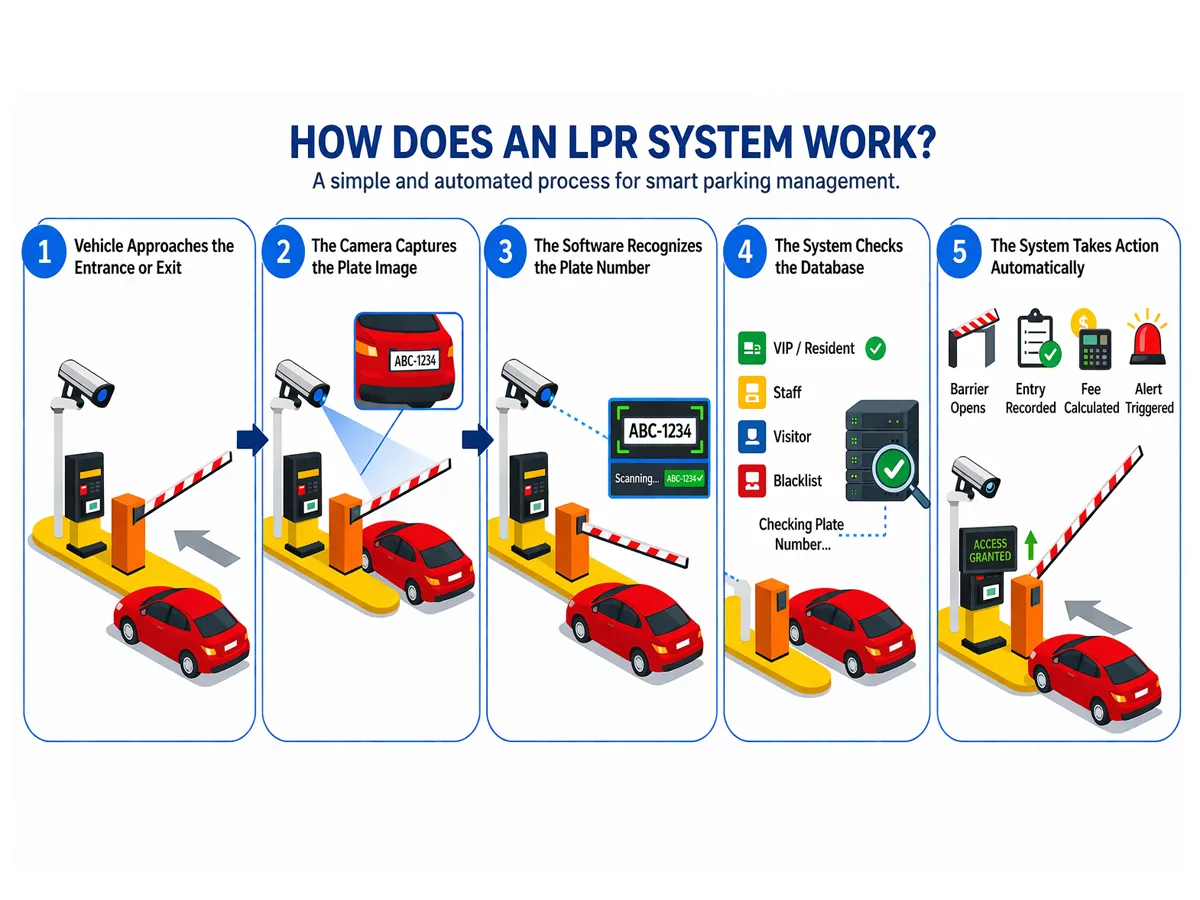
As parking facilities become more intelligent, more operators are choosing LPR systems to improve efficiency, security, and user experience. But what exactly is an LPR system, and how does it work in daily parking management?
What Is an LPR System?
An LPR system, or License Plate Recognition system, is a smart vehicle access control solution that uses cameras and software to automatically identify and read vehicle license plate numbers.
In parking management, the system captures a vehicle’s plate when it enters or exits, checks the information in the database, and then performs the required action automatically. This may include opening the barrier gate, recording entry time, calculating parking fees, or allowing only authorized vehicles to enter.
LPR systems are widely used in residential communities, commercial buildings, shopping malls, factories, hospitals, hotels, airports, and many other locations where efficient vehicle control is needed.
How Does an LPR System Work?
The working process of an LPR parking system is simple and highly automated.
1. Vehicle Approaches the Entrance or Exit
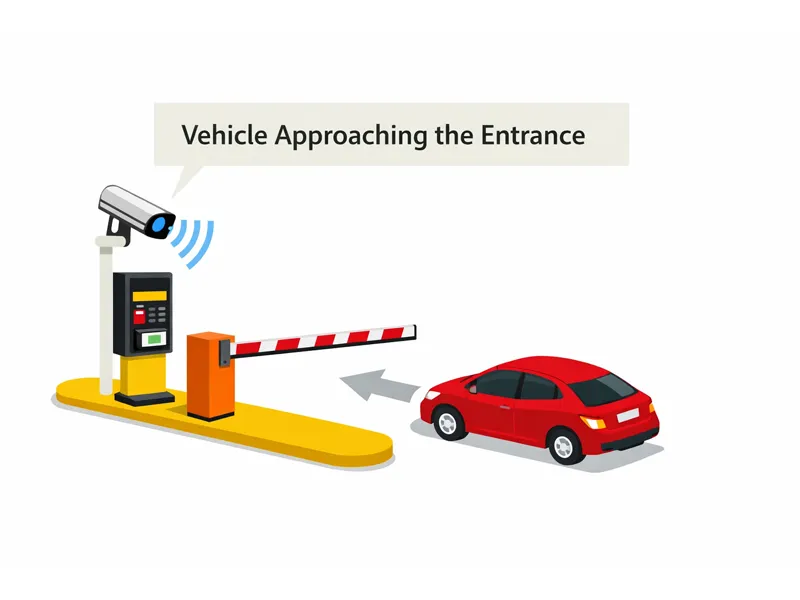
When a vehicle arrives at the parking entrance or exit, the LPR camera detects the vehicle and captures an image of the license plate.
2. The Camera Captures the Plate Image
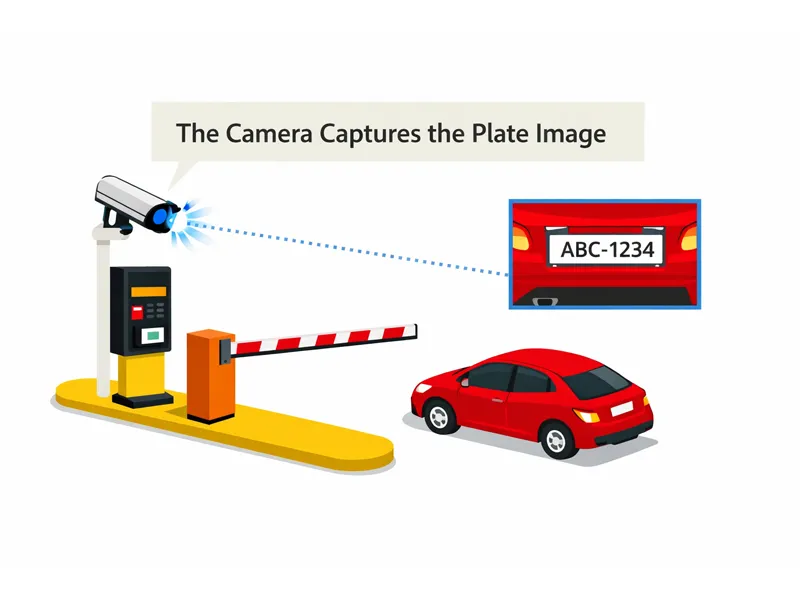
A high-definition camera takes a clear picture of the vehicle plate. Good LPR cameras are designed to work in different lighting and weather conditions, including day, night, rain, and strong sunlight.
3. The Software Recognizes the Plate Number
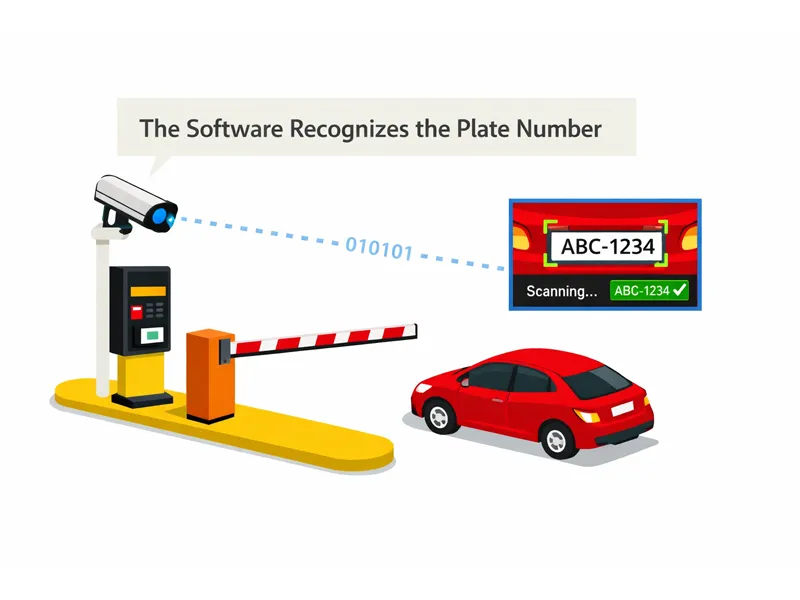
The LPR software analyzes the image, locates the license plate, and reads the characters using recognition technology.
4. The System Checks the Database
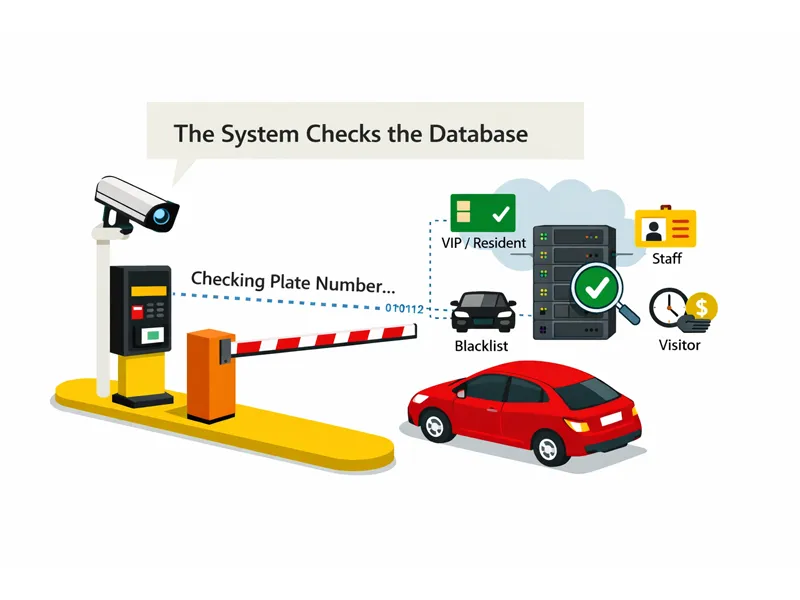
After the plate number is recognized, the system compares it with stored information in the database. It can identify whether the vehicle is:
- a monthly subscriber
- an authorized resident
- a staff vehicle
- a visitor
- a blacklisted vehicle
- a temporary parking user
5. The System Takes Action Automatically
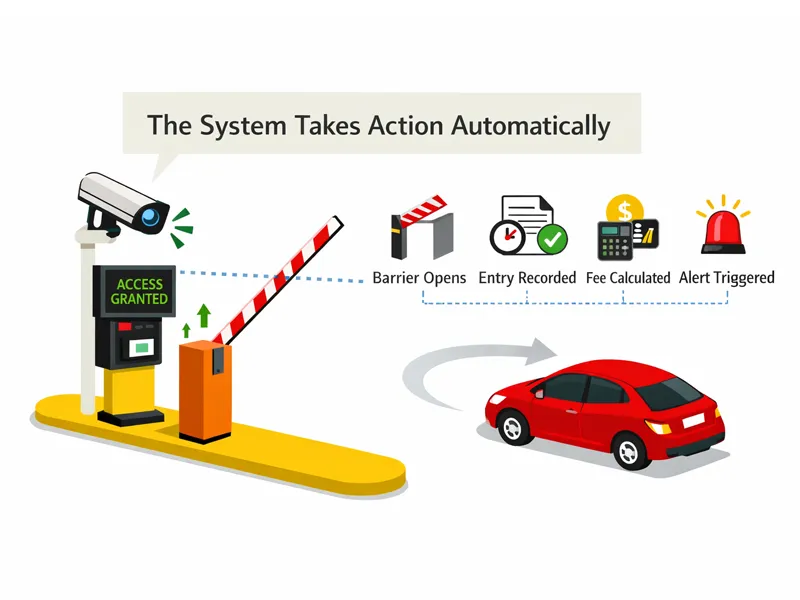
Based on the result, the system can automatically:
- open the barrier gate
- save the vehicle entry or exit record
- calculate parking duration and fee
- trigger an alert for unauthorized vehicles
- display information on the screen
This process usually takes only a few seconds, helping reduce congestion and improve traffic flow.
Simple Table: How an LPR System Works
| Step | What Happens | Purpose |
|---|---|---|
| 1 | Vehicle arrives at entrance or exit | Starts the recognition process |
| 2 | LPR camera captures plate image | Collects vehicle plate information |
| 3 | Software reads the plate number | Identifies the vehicle automatically |
| 4 | System checks the database | Confirms access rights or parking status |
| 5 | Barrier opens or system records data | Controls access and manages parking |
| 6 | Exit information is matched | Calculates parking time and fees if needed |
Main Components of an LPR Parking System
A complete LPR parking system usually includes the following parts:
LPR Camera
This is the core device that captures vehicle plate images. The camera quality directly affects recognition accuracy.
Recognition Software
The software processes the image and reads the license plate number quickly and accurately.
Barrier Gate
The barrier gate opens automatically after the vehicle is verified.
Parking Management Platform
This platform allows operators to manage vehicle records, reports, blacklists, whitelists, charges, and system settings.
Display Screen or LED Screen
It can show plate numbers, parking information, fees, or welcome messages to drivers.
Database or Cloud Server
This stores vehicle data, entry and exit records, and user permissions.
Benefits of Using an LPR System in Parking Management
An LPR parking system offers many practical advantages.
Faster Vehicle Access
Drivers do not need to stop for tickets, cards, or manual registration. This helps reduce waiting time and traffic congestion.
Higher Efficiency
The system works automatically, reducing the need for manual labor and improving operational efficiency.
Better Security
The system keeps complete entry and exit records and can identify suspicious or unauthorized vehicles.
Improved User Experience
For residents, employees, and monthly users, the access process becomes smoother and more convenient.
Accurate Data Management
Operators can easily check parking records, traffic flow, and payment reports through the software platform.
Lower Operating Costs
Over time, automation helps reduce labor costs and management errors.
Common Applications of LPR Systems
LPR systems are suitable for many parking and vehicle control scenarios, such as:
- residential communities
- office buildings
- shopping centers
- hotels
- factories
- logistics parks
- hospitals
- schools
- airports
- government buildings
What Makes a Good LPR System?
When choosing an LPR parking system, customers usually pay attention to several important factors:
| Key Factor | Why It Matters |
|---|---|
| Recognition accuracy | Higher accuracy means fewer errors and smoother access |
| Recognition speed | Fast response reduces congestion at entry and exit points |
| Multi-country support | Important for international markets and different plate formats |
| Stable performance | Ensures reliable operation in rain, night, and strong light |
| Easy integration | Helps connect with barrier gates, payment systems, and parking software |
| Flexible customization | Better matches different project requirements |
Conclusion
An LPR system is an intelligent solution that automatically recognizes vehicle license plates and helps manage vehicle access more efficiently. In parking management, it improves traffic flow, enhances security, reduces manual work, and gives users a more convenient experience.
As parking demand continues to grow, LPR technology is becoming an important part of modern smart parking systems. For parking operators, property managers, and system integrators, choosing a reliable LPR solution can bring long-term value and stronger competitiveness.