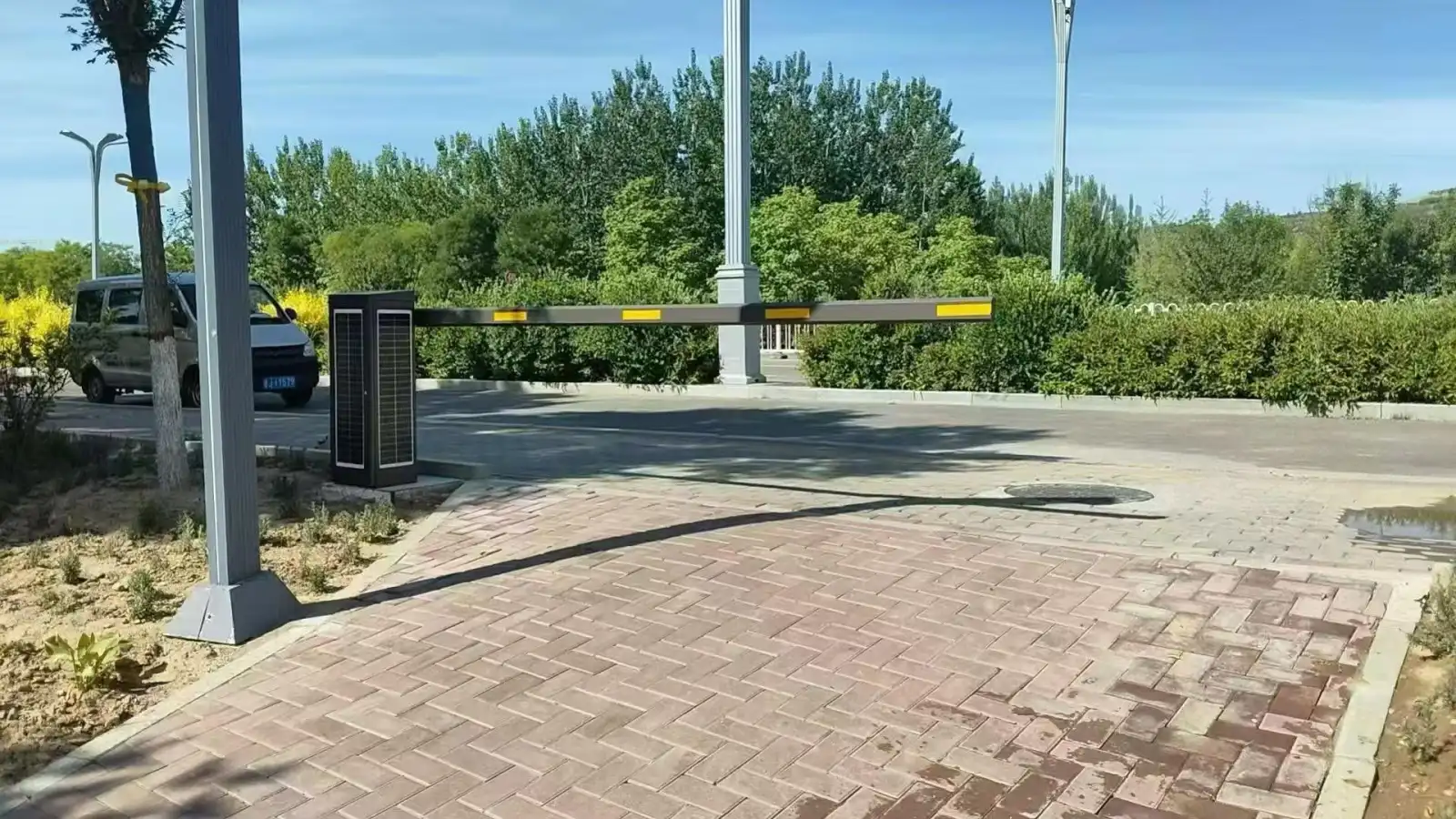

Parking barrier gates face repeated movement, vibration, dust, rain and changing temperatures. Routine care helps operators notice deterioration before it becomes a breakdown. A useful maintenance programme combines simple external observations with the inspections and servicing required for the actual barrier model and installation.
Daily maintenance does not mean opening the cabinet every day. It means assigning clear responsibilities, recording faults and following the equipment manual and the site’s maintenance plan. Intervals depend on the model, operating cycles, environment and condition; a monthly, quarterly or six-month schedule from another product is not automatically suitable for yours.
Before anyone opens the housing or works on internal parts, competent personnel must isolate all relevant power sources, including backup power where fitted, prevent unintended operation and control stored mechanical energy according to the manufacturer’s procedure. Switching off the mains does not remove spring tension. Spring adjustment, electrical repairs and work around the mechanism belong to qualified service personnel. The maintenance illustration identifies topics; it is not an instruction for an operator to adjust the spring.
Why Daily Maintenance Matters for Parking Barriers
The arm, spring, motor, fixings and control system must work together. Loose, worn, dirty or unbalanced parts can produce slow movement, abnormal noise, inaccurate stopping or inconsistent operation. Recording changes from the normal behaviour helps a technician identify a developing fault. Maintenance also includes checking the protective arrangement: successful opening and closing alone does not demonstrate safety for people.
From a safe position outside the arm’s movement area, an operator can look for damage, missing covers, loose-looking mountings, obstructions and unusual movement during normal authorised operation. Do not stand under the arm to test a sensor. If the arm is damaged, moves unexpectedly or a required protective device fails, prevent further use through the site’s safe isolation procedure and arrange service.
Inspect Fasteners on the Specified Schedule
Check the cabinet, arm bracket, base and mounting points at the intervals stated in the actual manual and maintenance plan. A monthly reminder may be appropriate if the plan specifies it, but it is not a universal manufacturer’s interval. Keep a record of visible movement, missing fasteners, corrosion and damage so service personnel can compare changes between visits.
Loose fixings may cause vibration, inaccurate arm positioning and wear elsewhere. Do not blindly tighten every bolt or adjust a spring-related fixing. A competent technician should inspect the connection and apply the specified procedure and torque. Damaged threads, cracked brackets or a shifting foundation require the barrier to be taken out of use until assessed and repaired.
Keep the Housing and Lane Clean
Remove surface dust, mud and leaves using the cleaning method permitted by the product manual. A soft cloth may be suitable, but detergents and cleaning products must be compatible with the finish and seals. Avoid directing water into the housing or electrical equipment, and do not use pressure washing unless the manufacturer expressly permits it.
Cleaning makes rust, coating damage, loose external parts and signs of water entry easier to see. Keep the arm’s movement area and the specified detector or protective-device zones clear. If internal moisture, damaged seals or exposed wiring are suspected, stop at observation and reporting; opening the cabinet is not part of an untrained operator’s cleaning task.
Lubricate Only the Points Specified by the Manufacturer
The need for lubrication, the lubricant and the interval depend on the mechanism. Some service points need periodic attention, while sealed or maintenance-free parts should not be treated simply because a generic checklist says “every three months.” Use the actual maintenance instructions to decide what is required.
Correct lubrication can limit friction and wear, but adding oil is not a diagnosis for every noise. Keep lubricant away from electrical parts, braking or other surfaces that must remain dry, and never lubricate a moving mechanism. If access involves removing guards or opening the cabinet, arrange qualified service with the required isolation and mechanical precautions.
Leave Spring Balance and Adjustment to Qualified Personnel
The spring and arm form a matched mechanical assembly. Arm length, weight and fitted accessories affect the required configuration, so there is no single spring setting or universal cycle count for all barriers. The service plan should identify inspection and replacement requirements for the actual assembly, including supports and related parts.
Uneven movement, an unexpected drop, incorrect stopping or visible spring damage are reasons to stop use and request inspection. Do not force the barrier to run, loosen spring nuts or remove the arm to experiment with balance. Stored energy can remain after electrical isolation. Any adjustment or replacement must follow the manufacturer’s procedure, with the necessary operating and protective-function checks before return to service.
Check Remote and Backup Battery Condition
If the installation has backup batteries, use its prescribed checks and replacement procedure. Confirm the specified battery type and ratings; do not substitute by physical size alone. Swelling, leakage, abnormal heat or damaged battery wiring require appropriate service attention. Internal backup-system work must follow electrical and battery isolation requirements.
A weak handheld-remote battery is one possible cause of reduced range or no response. An authorised user can replace a user-serviceable remote battery according to its instructions, observing the specified type and polarity and arranging proper disposal. If the problem remains, compare the symptom with other authorised controls without repeatedly cycling the barrier or changing safety settings.
Arrange Professional Servicing According to the Maintenance Plan
Operator observations do not replace professional servicing. Agree the service interval from the actual equipment documents, usage and site conditions. Six-month servicing may be specified for a particular installation; high use, harsh conditions, an impact or an abnormal condition may require earlier attention. Record the next due date rather than relying on an informal reminder.
A service visit should cover the applicable wear parts, mountings, arm condition, internal connections, manual-release arrangement and protective devices. Tests must follow the installed system’s instructions and risk assessment. A vehicle detector is not automatically a pedestrian-safety device, and a successful vehicle pass is not a complete protection test. Record findings, repairs, test results and any restrictions before returning the lane to normal use.
Planning a Barrier Maintenance Schedule
| Maintenance item | Timing to agree | Purpose and responsibility |
|---|---|---|
| Observe condition and normal movement from outside the arm area | Routine operator check, such as before a busy operating period | Spot visible faults without entering the movement area |
| Clean permitted external surfaces and remove lane debris | As conditions require, following the cleaning instructions | Operator task only where access and method are authorised |
| Inspect cabinet, arm and foundation fixings | Manual and site plan; after suspected impact or movement | Qualified inspection and specified tightening where needed |
| Lubricate designated service points | Only where and when the actual manual requires it | Use the specified lubricant and safe service procedure |
| Inspect arm, spring and related supports | Model-specific service or cycle interval; promptly after abnormal behaviour | Qualified personnel assess condition and balance |
| Check remote and any backup batteries | Product instructions and observed condition | Distinguish user-serviceable remote batteries from internal power work |
| Service the installation and verify required protective functions | Documented professional schedule and after relevant repairs | Record results and authorise return to service only when requirements are met |
Use this table to organise responsibilities, not to replace the manufacturer’s maintenance programme. Keep the model, serial number, manual revision, cycle information where available, service history and contact details with the maintenance log. The person responsible for the installation should confirm the final intervals.
Common Problems and the Appropriate Next Step
| Symptom | Possible issue | Appropriate action |
|---|---|---|
| Arm stops in the wrong position | Fixing, balance, position-sensing or control issue | Stop unsafe operation; have a technician diagnose before adjustment |
| Unusual noise during movement | Wear, loose parts or a lubrication issue | Record the symptom and arrange inspection; do not add oil indiscriminately |
| Arm moves unevenly or drops unexpectedly | Possible mechanical or balance fault | Keep the lane out of use and arrange qualified service |
| Handheld remote does not respond | Battery, remote, receiver or control-path issue | Check a user-serviceable battery as instructed, then escalate persistent faults |
| Rust or signs of water entry | Coating, sealing or environmental deterioration | Clean permitted surfaces and report structural or internal concerns |
These are possible causes, not diagnoses. Record when the symptom appears, whether it affects opening or closing, recent impacts or weather events, and any displayed error. This information is more useful than repeatedly resetting the controller or changing force and travel settings without a diagnosis.
Conclusion
Good barrier maintenance is consistent and clearly assigned. Operators observe and report; qualified personnel perform the mechanical, electrical and protective-function work required by the actual equipment. Cleaning, fixing inspection, appropriate lubrication, spring assessment and battery care remain useful topics, but their method and timing must be specific to the installation. A documented service plan supports reliable operation without turning general advice into an unsafe repair procedure.
FAQ
How often should a parking barrier be inspected?
Use routine external observations alongside the inspection and service intervals in the actual manual and site plan. Traffic, environment, condition and operating cycles matter. Monthly checks or six-month servicing are not universal intervals for every model.
Can operators lubricate the barrier themselves?
Only if the manufacturer’s instructions identify the task as suitable for them and specify the point, lubricant and safe method. Internal access, guard removal or uncertainty requires qualified service. Do not assume every moving part needs oil.
How can I tell that spring balance needs attention?
Uneven movement, unexpected dropping, incorrect stopping or visible damage require inspection. They do not prove that spring adjustment is the only repair. Stop use where unsafe and ask qualified personnel to diagnose the complete mechanism.
What must happen before the housing is opened?
Competent personnel must follow the manufacturer’s isolation and access procedure, account for all power supplies and stored mechanical energy, and prevent unexpected movement. Turning off the mains alone does not make spring work safe.
Why has the remote suddenly stopped working?
A depleted or incorrectly fitted battery is one possibility, but the remote, receiver or another part of the control path may also be at fault. Check a user-serviceable battery according to its instructions. If that does not restore operation, report the symptom and arrange diagnosis; do not bypass protective inputs to obtain a response.
Featured image: Existing illustration of maintenance topics. Internal work and spring adjustment require qualified personnel following the actual manufacturer’s instructions.