License plate recognition can be a useful upgrade when a parking site wants to reduce routine credential handling and connect vehicle events with access rules and records. Residential entrances, offices, hospitals, hotels, retail car parks and industrial sites may have these needs, but the value depends on the actual traffic and operating model.
The seven reasons below are potential benefits to evaluate, not guaranteed results of buying a camera. A useful proposal must cover capture conditions, software, barrier control, payment where needed, exception handling and long-term support.
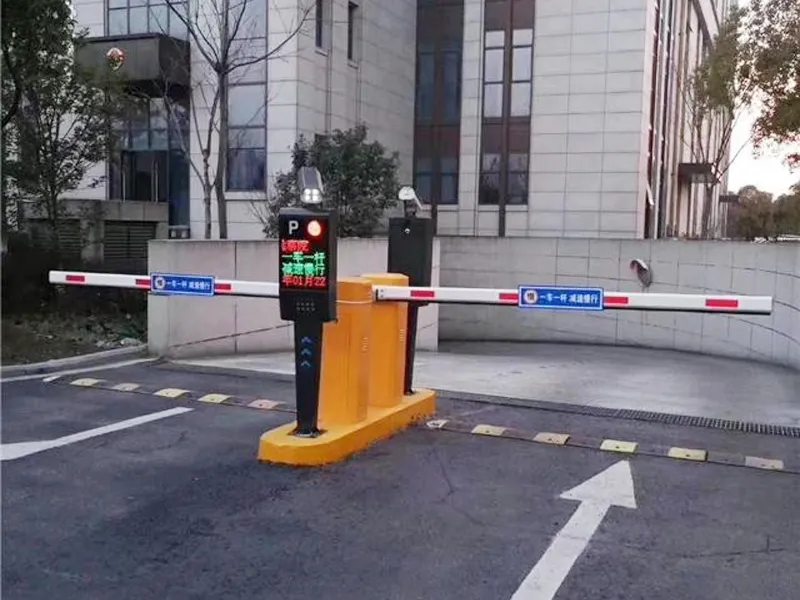
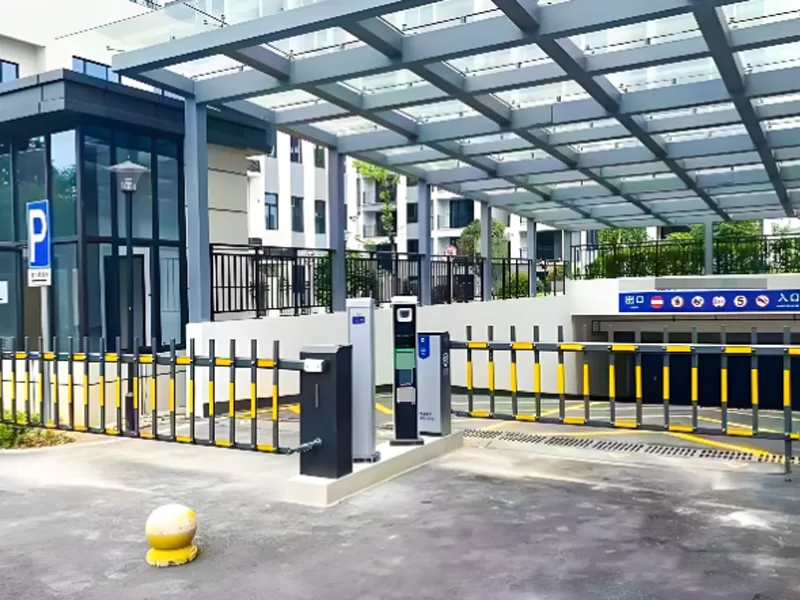
What is LPR in a parking system?
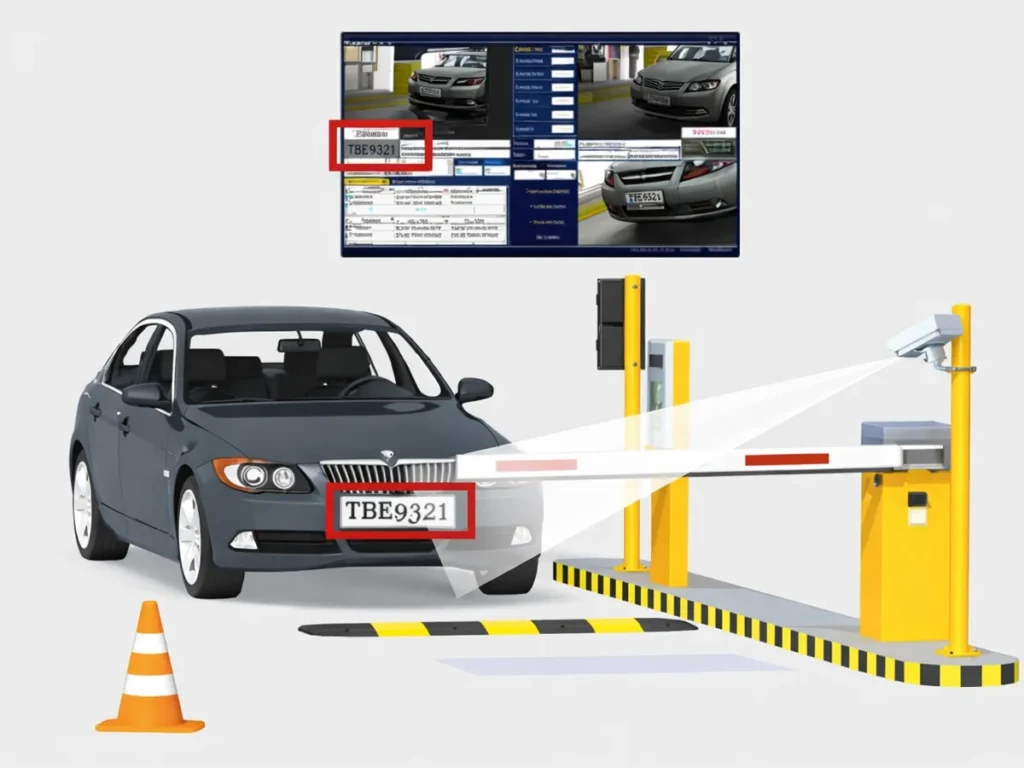
LPR, also called ANPR or ALPR, uses cameras and recognition software to read plates. A parking platform can use that record as a vehicle credential. At entry, it checks the relevant permission or parking rule; at exit, it matches the visit and checks any required payment or authorization before requesting opening.
A complete project may include entry and exit cameras, vehicle barriers, management software, user lists, reports and payment equipment. Vehicle-presence detection and suitable protective measures are separate from plate recognition. Pedestrian turnstiles are not a substitute for vehicle-lane equipment, and pedestrian routes need their own design.
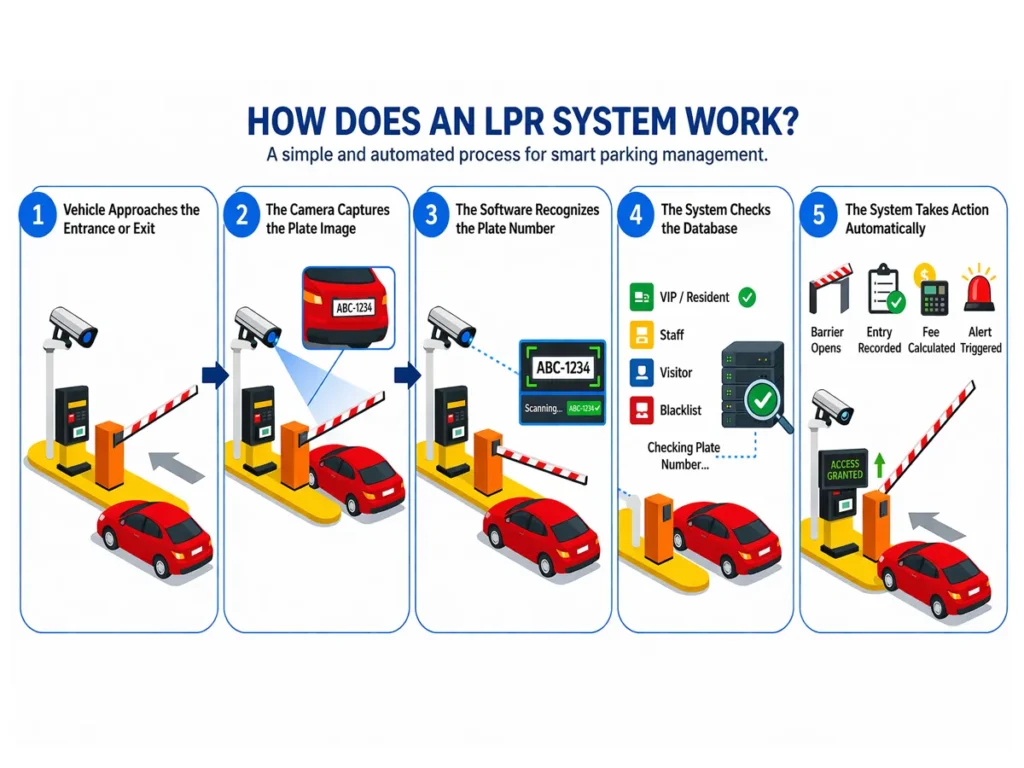
The objective is to connect identification, rules and records in one coherent process. Payment, remote access or multi-site management require the specific software and interfaces to be included and verified.
Reason 1: Fewer routine actions at entry and exit
Ticket collection, card presentation or a manual check can add a stop to a visit. With a correctly configured LPR system, a resident, employee or pre-registered visitor may be recognized and authorized without handling a separate credential. This is particularly relevant to office peaks, frequent residential access, hospital visitors, shopping periods and industrial shift changes.
Fewer actions can help traffic flow, but the queue still depends on approach geometry, plate capture, barrier movement, payment and the vehicles ahead. Test peak conditions and difficult reads before promising shorter queues. No fixed seconds-per-car or throughput improvement is claimed.
Reason 2: Less repetitive manual work
A platform can record vehicle events and apply configured permissions instead of requiring staff to enter each plate, issue every ticket or repeatedly check a permit. Where payment is integrated, some routine cashier tasks may also move to self-service.
The practical goal is to let staff focus on assistance, supervision and exceptions. Manual corrections, account updates, disputes, maintenance and remote support remain necessary. Compare the current workload with a realistic operating plan; automation does not guarantee fewer employees, zero errors or a particular saving.
Reason 3: More consistent vehicle-access rules
Supported software can distinguish residents, staff, approved suppliers, booked visitors, blocked records and time-limited contractors. Time-stamped events can help review who was admitted and which rule was used. Keep user lists current and define who can add, expire or override a permission.
A plate is an identifier, not proof of the driver’s identity or an uncopyable credential. LPR does not by itself prevent close following, unauthorized occupants or physical injury. Sensitive sites may require another authorization layer, separate pedestrian routes and suitable protective measures. Multi-lane or multi-site rules depend on platform support.
Reason 4: Better traceability for fees and disputes
A plate-linked visit can bring entry time, exit time, tariff, payment result and corrections into one record. That can make lost-ticket questions, manual fee mistakes, payment disputes and unrecorded exceptions easier to investigate.
It only helps if the underlying session is correct. Missed reads, repeat visits, duplicate records or a payment attached to the wrong plate can create an incorrect charge. Test pairing, tariffs, validations, refunds and reconciliation. Gate release should use the required confirmed status, not merely a payment page or QR scan. Clear records support revenue control; they do not guarantee higher revenue or eliminate leakage.
Reason 5: More useful operational records
When supported, reports can show entries and exits by period, frequent users, visit durations and exceptions needing follow-up. This can help review peak staffing, lane congestion and future changes. Central reporting can serve several sites if the selected architecture includes it.
Entry counts are not automatically exact occupancy. Missing events, duplicate reads and vehicles moving between zones may need reconciliation or additional occupancy tools. Agree definitions, time synchronization, staff permissions and data retention before using reports for operational decisions.
Reason 6: A chance to connect separate systems
An upgrade can be an opportunity to link a supported barrier, display, intercom, visitor platform, payment terminal or building-access system. QR, card, cash, monthly billing and remote assistance are project options, not universal LPR features.
Request an interface schedule naming device models, software versions, signal or API requirements, network needs and the party responsible for each connection. Test the full visit, including failure and recovery. A matching connector or the word “integration” in a brochure does not prove that two systems provide a complete compatible workflow.
Reason 7: A flexible path beyond a single credential
LPR can be attractive when users would benefit from ticketless visits and visitor records without issuing a new physical credential. Tickets and RFID still have useful roles. Select the method or combination according to users, vehicle types, support requirements and lifecycle cost.
| Method | Normal driver action | Dependencies and exceptions | Where to consider it |
|---|---|---|---|
| LPR | Present the vehicle in the capture zone; payment or assistance may still be needed | Readable supported plates, correct sessions, suitable camera and rules | Repeat users and visitors where plate-based operation fits |
| Paper ticket | Take, retain and present or pay the ticket | Issuing equipment, consumables, lost tickets and reconciliation | Existing ticket operations or a defined fallback workflow |
| RFID/card | Carry and use the supported credential within the reader’s requirements | Issuance, lost/shared credentials, reader range and permissions | Stable user groups or an additional access layer |
A hybrid design may use LPR for some cars and a supported card, remote control or assisted route for motorcycles or special access. Check how the different methods refer to the same permission or session. None is inherently fastest or cheapest in every installation.
Six checks before an upgrade
1. Recognition in real conditions
Demonstrate actual local and relevant foreign plates in representative light, weather and traffic. Include dirty, obscured or unusual plates in the exception plan. Define acceptance criteria rather than relying on an advertised accuracy percentage.
2. Camera positions and lane layout
Review angle, height, reading distance, stopping position and approach speed with the selected camera’s requirements. Confirm space for queues, vehicles and the barrier’s detection and protection zones.
3. Software and integration
Test permissions, sessions, user lists, event logs, corrections and recovery after a communications fault. Define local versus server functions, backups of operational data and responsibility for maintenance within the existing site arrangements.
4. Payment workflow
For paid parking, specify provider, currency, methods, receipts, refunds, settlement and assistance. Demonstrate a paid exit and pending, failed and duplicate payment events. Confirm the merchant and software costs.
5. Privacy and data management
Check the rules applicable to the actual country, including notices, purpose, access, retention and deletion. Assign responsibilities for data and requests from users. LPR equipment alone is not a legal-compliance guarantee.
6. Delivery and ongoing support
Ask for a clear scope covering equipment, civil works, installation, commissioning, training, spares, software updates and fault response. Verify relevant references and the actual service arrangement rather than relying on general experience claims.
Seven benefits to evaluate
| Potential benefit | Evidence to request |
|---|---|
| Fewer entry and exit actions | Demonstration with representative peak traffic and exceptions |
| Less repetitive work | Comparison of current and proposed staff tasks, including support |
| Consistent access rules | Permit, visitor, expiry and override tests |
| Fee traceability | Correct session pairing, payment verification and reconciliation |
| Useful records | Reports with clear definitions, access rights and error handling |
| Connected systems | Verified interfaces and recovery across the complete workflow |
| Convenient credential choices | User testing and a workable hybrid or assistance route where needed |
Is the upgrade right for your facility?
Residential communities, offices, hospitals, hotels, shops, factories, logistics sites and mixed-use properties may benefit when the proposed functions address a real operating problem. These are potential applications, not a statement that one Shunjie configuration has been tested or installed in every setting.
A mixed vehicle fleet, unusual plates, difficult geometry or special permissions may justify a hybrid approach. Start with the present problems and acceptance criteria, compare the complete costs and confirm the support plan. An upgrade should be judged by the whole parking operation, not only camera recognition.
Review Shunjie’s equipment and send your lane plan, vehicle types and operating rules to discuss a defined project scope.
FAQ
Is LPR the same as ANPR or ALPR?
The names usually refer to related plate-recognition technology. Confirm the actual product’s formats, functions and interfaces.
Is LPR better than RFID?
Not universally. LPR may reduce physical credentials; RFID can suit a stable user group or another authorization layer. A supported combination may be appropriate.
Can it work outdoors or in low light?
Suitable equipment may, but the camera, illumination, lens, mounting and lane conditions must be demonstrated at the site.
Does it reduce staffing costs?
It can reduce routine tasks. Actual savings depend on present operations and the assistance, maintenance and software costs that remain.
Can it reduce revenue leakage?
Better records can help investigation and reconciliation when sessions and payments are correct. It does not guarantee revenue growth or eliminate errors.
Which sites benefit most?
Sites whose traffic, user rules and support needs fit the configured workflow. A site category alone is not enough to decide.
Is internet access required?
It depends on architecture. Some functions may run locally; cloud, remote assistance or payment may need a connection. Agree and test outage behavior.
What is a major buying mistake?
Judging only an accuracy claim while leaving lane design, software, payment, protection, exceptions and after-sales responsibility undefined.