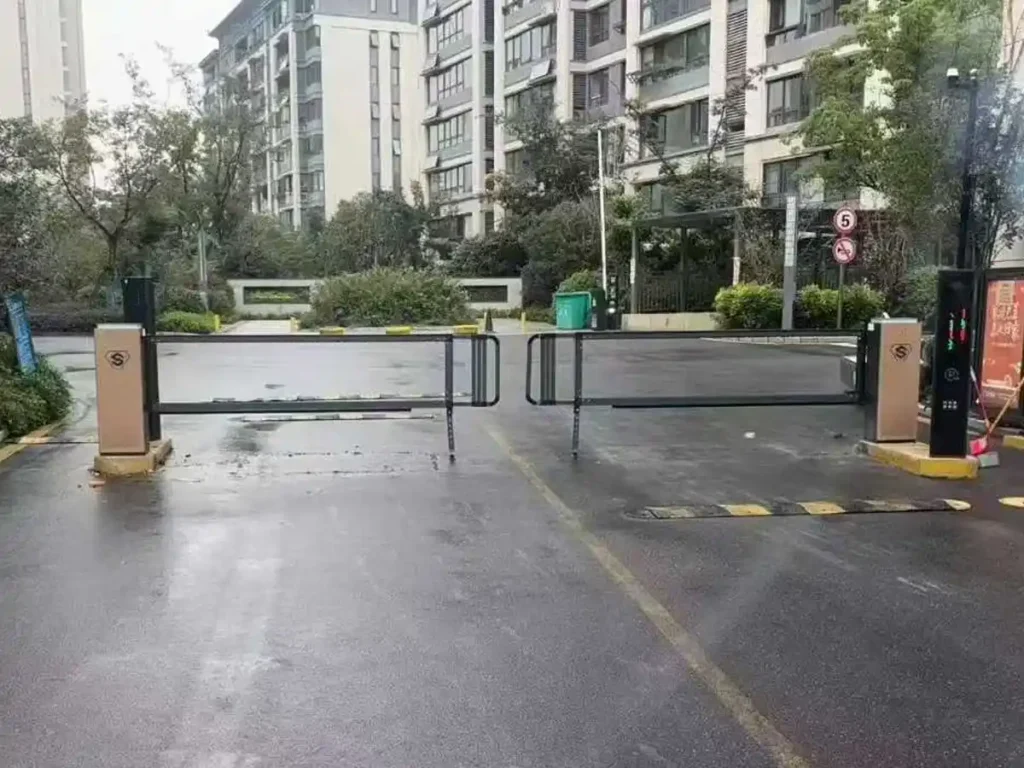
What ANPR/ALPR captures in parking
ANPR (Automatic Number Plate Recognition) and ALPR (Automatic License Plate Recognition) describe the same broad technology; terminology varies by region. In parking, reading characters is one step in a larger workflow: deciding whether to admit a vehicle, creating or closing a parking session, applying payment or permit rules, and recording why a decision was made.
The event records your system needs
Define the data contract before selecting cameras or connecting software. The fields below are design examples, not a promise that every camera supplies them. Store only information needed for the agreed purpose.
| Data element | Example | Operational purpose |
|---|---|---|
| Overview image | Vehicle and lane context | Review vehicle position and disputed events. |
| Plate crop | Image of the registration plate | Check readability and correct an uncertain read. |
| Plate text | ABC1234 or a local format | Match sessions and permits. |
| Timestamps | Capture and processing time | Pair entry and exit and calculate duration. |
| Location | Site, lane and zone identifiers | Distinguish entrances and investigate lane faults. |
| Confidence | The supplier’s documented score | Route uncertain events for review; scores are not universal probabilities. |
| Event ID and rule result | Unique identifier, permit match or exception | Avoid duplicate processing and trace the decision. |
Why auditability matters
Plate text alone rarely explains a disputed charge or denied exit. An incorrect read, a missed entry, tailgating or pairing the wrong lanes can create a false session. Keep permitted evidence and synchronized timestamps, check the quality of permit databases, and provide a documented correction process. A successful OCR read does not establish the driver’s identity or prove that a fee is due.
Parking use cases and deployment models
Ticketless access at gated facilities
An entry read can associate a vehicle with a parking session, reducing reliance on paper tickets. Exit then checks the applicable permit, payment and matching rules. A hybrid installation may retain tickets for visitors or exceptions. Queue reduction depends on recognition, barrier motion, payment processing and the physical lane; it must be measured at peak demand.
Barrierless or free-flow parking
Removing barriers changes the operating model. The plate may become the credential used to associate visits with payment, but missed reads and disputed sessions still need handling. Confirm available payment channels, signage, customer assistance and the lawful basis for any enforcement. Barrierless operation does not eliminate the need for accurate records or an appeals process.
Mixed credentials
Residents, employees and visitors may need different routes through the same site. A compatible system can combine plate recognition with an app, QR code, RFID/NFC credential or staffed assistance. Agree which credential takes priority, how it is associated with a vehicle, and what happens when two credentials disagree. Confirm each interface with the selected hardware and software.
Permits and enforcement
Known-vehicle access often uses an allowlist or permit database with validity periods and access zones. Some compatible cameras can make local list-based decisions; other installations rely on a server. Keep list changes synchronized and protect administrative access. Fixed lane cameras and mobile patrol systems serve different purposes; using both requires reconciliation rules, rather than assuming their records are interchangeable.
Architecture: capture, recognition and decisions
Separate five functions in the design: image capture, plate recognition, business decisions, integration and evidence storage. Document where each runs, which component owns the session record, and what continues operating during an outage.
Edge, local server and cloud options
- Edge processing: a compatible camera or nearby device can read a plate and pass an authorized event to a controller. Confirm list capacity, offline behavior, licensing and supported I/O. The barrier’s safety functions remain separate.
- Local server: a site server can combine lanes, store evidence and integrate parking or video management. Include server maintenance, backups within the operator’s existing arrangements, network availability and recovery responsibilities in the specification.
- Cloud assistance: remote storage or services can reduce some local administration but add connectivity and data-governance requirements. Confirm hosting location, access controls, service terms, transfer arrangements and offline operation.
Interoperability and event delivery
ONVIF Profile T addresses IP video features including metadata streaming, with some functions conditional on device and client support. It does not by itself guarantee that a parking platform understands a particular supplier’s plate events. Check the exact conformant products and the required application interface. For HTTP/API integrations, define event identifiers, authentication, time zones, retries, duplicate suppression and error reporting.
A practical ticketless workflow
- Capture the approaching vehicle and attempt a plate read at the configured entry zone.
- Evaluate the read, permit and business rules. Route missing or uncertain results to the agreed ticket, app, QR or operator fallback.
- Create or update one parking session without duplicating repeated camera events.
- Associate payment or a valid permit with that session through the selected parking platform.
- At exit, capture the plate again and check the correct session, payment and exit rules.
- Authorize passage when the rules are satisfied. Handle mismatches or unpaid sessions through customer assistance and the agreed dispute process.
An access authorization is not a safety signal. The installed barrier needs appropriate vehicle detection, safeguarding, emergency arrangements and commissioning for the actual site. A failure to read a plate must not automatically be treated as evidence of misuse.
What the installation documentation should show
Use a system diagram to identify processing and storage locations, data flows and trust boundaries. An event-field diagram should show the interface between recognition and parking software. A lane plan should identify the capture zone, stopping position, lighting, vehicle paths and possible occlusions. These are documentation requirements; they are not measurements of this site’s performance.
Benefits and measurable KPIs
Evaluate improvements against a baseline with comparable traffic and operating conditions. Supplier demonstrations or another operator’s results cannot establish the return for your site.
Flow and throughput
Track queue time by lane, vehicles served during peak periods, barrier cycle time and manual interventions. Distinguish the camera’s recognition time from total passage time. Payment delays, pedestrians, narrow turning radii or vehicles waiting beyond the exit can remain the main bottleneck even when plate recognition works well.
Fraud prevention and revenue assurance
Matching a credential or ticket to the entry and exit plate can help investigate ticket swapping and permit misuse. It does not prevent every unpaid exit or tailgating event. Monitor confirmed incidents, false alerts and disputed charges separately, and reconcile decisions with images and transaction records where retention is justified.
Ticket handling and support workload
Ticketless operation may reduce paper consumption, lost-ticket cases and dispenser servicing. It also introduces camera cleaning, software support and exception handling. Compare support contacts per 1,000 sessions, equipment downtime, maintenance visits and staff time before and after deployment.
Occupancy and dwell-time analytics
Paired entry and exit events can support occupancy estimates, visit-duration analysis and planning. Missed reads, repeated events, unmonitored exits and vehicles already on site affect accuracy. Check estimates against independent counts before using them for capacity decisions or pricing. Revenue changes cannot be attributed to LPR alone without considering tariffs, demand and enforcement policy.
Costs to include in an ROI model
Capital costs can include plate and overview cameras, illumination, mounts, civil works, network equipment, controllers and any edge or server hardware. Operating costs can include licenses, hosting, data transfer, monitoring, cleaning, calibration, support and dispute handling. Include installation, training, replacement planning and expected exceptions. Compare realistic scenarios over an agreed period rather than promising a fixed payback.
Privacy, accuracy and dispute handling
Privacy and legal review
Plate records and linked images may identify people or relate to them. Establish the applicable local requirements before collection; do not assume that a publicly visible plate removes privacy obligations. Determine the purpose and lawful basis, assess risks and whether a formal impact assessment is required, limit camera coverage, provide appropriate notices, and define access, retention and deletion procedures. Obtain jurisdiction-specific advice where needed.
Identify the operator, service providers and their responsibilities. Restrict administrative access and log relevant actions. Plan how to handle access requests and authorized disclosures. Masking plates or omitting images may reduce retained information, but can also limit dispute resolution; verify the chosen balance in the actual system. No configuration alone guarantees legal compliance.
Capture quality and operating conditions
Recognition depends on plate size in the image, focus, viewing angle, exposure, motion, illumination and local plate formats. Glare, dirt, occlusion, rain, fog and snow can impair capture. Follow the selected camera’s installation guidance and test day and night conditions. Shutter, gain, infrared illumination and WDR settings must suit the model and lane; a setting published for another camera is not a universal prescription.
International plates and acceptance testing
A model that performs well on one plate collection may not perform equally well elsewhere. Include the countries, scripts, plate layouts and vehicle types expected at the site, including motorcycles and commercial vehicles where relevant. Agree what counts as a usable read, a correctly matched session and a successful passage. Record exceptions and sample conditions, rather than relying only on a headline accuracy percentage.
Confidence thresholds and fallback routes
Confidence scores and their scales are supplier-specific. Changing a threshold changes which reads enter the workflow; a lower threshold may admit more incorrect results as well as more valid ones. Test the effect with representative samples. Use a second credential or human review when appropriate, and define how corrected plates affect existing sessions without creating duplicate charges.
Maintenance and monitoring
Sun angle, seasonal conditions, dirt, new signs, roadworks and software changes can alter results after commissioning. Monitor usable reads, interventions and mismatches by lane. Set maintenance triggers against the site’s acceptance targets, clean and inspect equipment, and retest after configuration or layout changes. Assign responsibility for network faults, camera tuning and database corrections.
Evidence retention and deletion
Separate the evidence needed for an active session or dispute from routine records no longer needed for the stated purpose. Define and implement justified retention periods, access permissions and deletion checks, including service-provider copies. Retain sufficient permitted context to explain a decision, but do not keep all vehicle movements indefinitely simply because storage is available.
Technical references and project discussion
For implementation details, consult the Axis License Plate Verifier manual and the ONVIF Profile T overview. Their requirements apply to the products and interfaces they describe; they do not certify Shunjie equipment or a complete installation.
For a Shunjie project, share the lane layout, local plate formats, traffic profile, payment or permit workflow and required interfaces through our contact page. OEM options, integration scope and pricing can then be checked against the proposed configuration.