
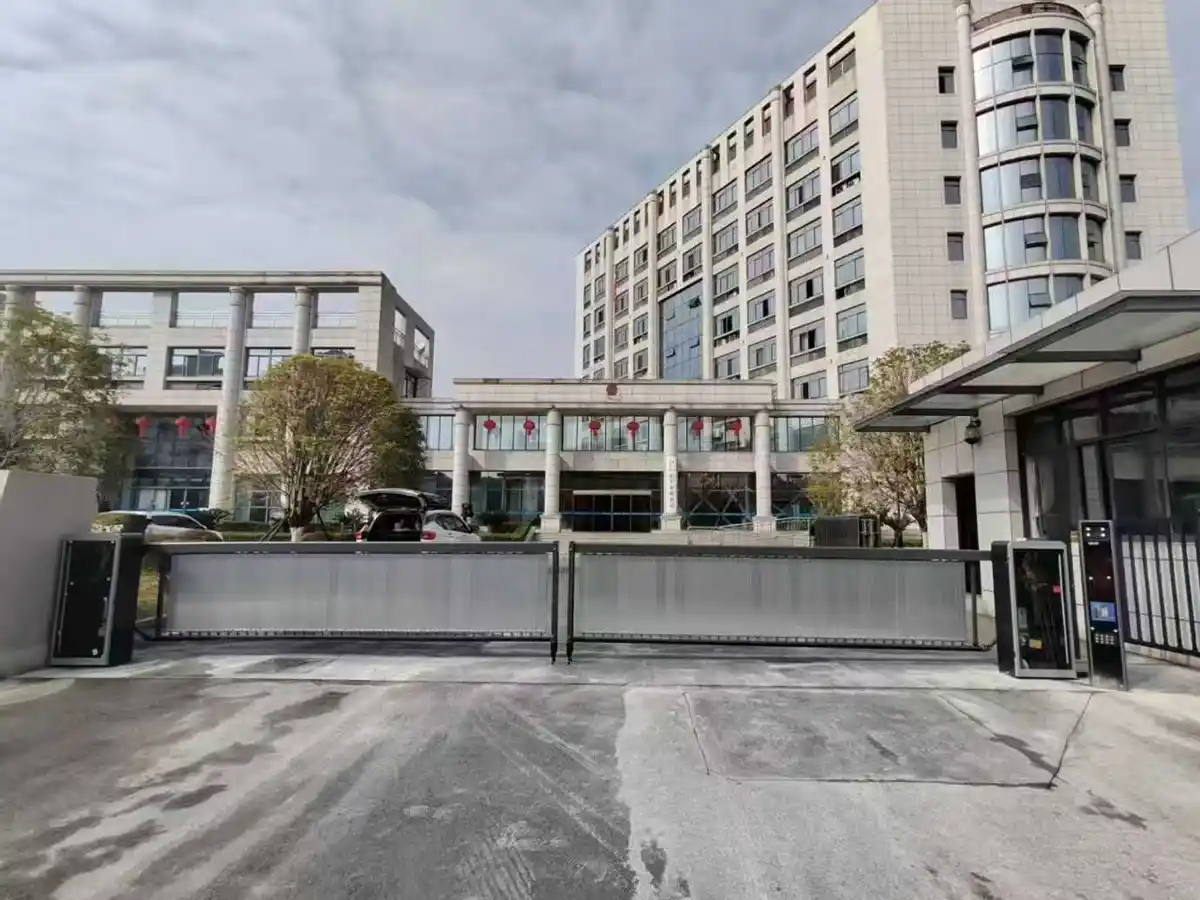
Ticketless parking LPR (also called ANPR/ALPR) replaces a paper ticket with a license plate read as the credential. Done well, it reduces friction, cuts consumables, and modernizes legacy PARCS without tearing everything out. Done poorly, it creates exceptions, disputes, and operational “mystery sessions” that erode trust.
This guide is written for parking design consultants, operators modernizing legacy PARCS, and system integrators. It compares the most common deployment patterns—gated parking LPR, semi-gated, and barrierless/free-flow parking ALPR—with practical lane design considerations, retrofit paths, reconciliation logic, and scenario-based risk checklists.
What “ticketless” means operationally
At an operational level, “ticketless” means the plate becomes the identifier for a parking session—and every system action (entry, rate selection, validation, payment, exit) is tied back to that identifier.
Plate as credential: the “session” model
In a ticketed system, the ticket number is the session ID. In a ticketless parking LPR system, the session ID is typically a plate + timestamp + location tuple, with additional metadata to handle ambiguity (confidence score, images, lane/camera ID, direction, and sometimes vehicle make/model/color enrichment).
A practical session record usually includes:
- Entry event: plate read, time, lane, confidence, reference images (overview + plate crop)
- Session state: transient/permit/validated/paid/exception
- Rate context: tariff table used, grace rules, validations applied
- Payment linkage: payment ID, channel (pay-on-foot, mobile, web), amount, time
- Exit event: exit read, time, lane, confidence, images
- Outcome: gate opened / enforcement cleared / referred to review queue
User journey differences: approach → entry → pay → exit
Gated (traditional flow with LPR replacing ticket)
- Approach: driver slows at entry
- Entry: camera reads plate; system opens barrier (or prompts if uncertain)
- Park: driver parks normally
- Pay: pay-on-foot kiosk, mobile pay, or pay-in-lane
- Exit: exit camera confirms plate + “paid/allowed”; barrier opens
Operator benefit: strong physical control and clear “end” of session.
Design implication: cameras must be positioned for low-speed capture at fixed points.
Barrierless / free-flow (no barrier; enforcement-based)
- Approach & enter: camera reads plate at perimeter or drive aisle
- Park: driver parks
- Pay or validate: mobile/web, in-venue validation, or “pay later” rules
- Exit: camera captures exit (optional but recommended), or session ends by timeout rules
- Enforcement: compliance checked via patrol/handheld/vehicle-mounted reads and/or exit verification
Operator benefit: higher throughput, less queuing, fewer mechanical failures.
Design implication: you trade barriers for reconciliation rigor and exception handling.
Semi-gated hybrids (control where it matters)
Common patterns:
- Gate at entry only (to ensure session start quality), free-flow exit
- Free-flow entry with controlled exit (to ensure settlement before leaving)
- Barrierless during peak hours with “soft control” (signage + high-visibility enforcement), gated off-hours
Why hybrids work: you can increase capacity and reduce capital cost while keeping a “hard stop” at a key moment in the customer journey.
Scenario playbook: gated garages vs free-flow lots
Below are scenario blueprints you can adapt to real sites (parking lots, commercial campuses, office buildings, hospitals, factories, mixed-use). Each blueprint includes recommended architecture, lane design notes, and the most common failure modes to plan for.
1) Airport: high-throughput lanes and mixed dwell times
Typical conditions: high peaks, multiple lanes, wide vehicle variety (rental fleets, taxis, private cars), long dwell variability.
Recommended architecture
- Gated entry + gated exit (most common)
- LPR as primary credential; optional QR fallback for online bookings
- Dynamic lane assignment (entry lanes can switch direction if needed)
Parking lane design LPR notes
- Prioritize consistent low speed at read points (gentle speed control before the barrier line)
- Use dedicated camera per lane; avoid “one camera covers two lanes” in high-volume environments
- Add strong lane delineation and anti-tailgating geometry (see checklist section)
Common failure modes
- Peak surges leading to bumper-to-bumper “plate occlusion”
- Tailgating (vehicle B exits on vehicle A’s authorization)
- Sun-in-frame at certain hours causing higher misreads and review queue backlogs
2) Hospital: mixed transient + permit + validation
Typical conditions: urgent arrivals, many short stays, staff permits, patient validations, multiple programs.
Recommended architecture
- Semi-gated often wins: gated entry to establish clean sessions; exit can be gated or barrierless depending on enforcement maturity
- Strong integration with permit/credentialing (staff) and validation workflows (clinics, departments)
Operational must-haves
- Clear exception handling for “I had an emergency” cases (grace rules + easy dispute pathway)
- Role-based access for staff to validate plates quickly
Common failure modes
- Plate changes (loaner cars) without updating permits
- Validation applied to the wrong plate (data entry or duplicate plate similarity)
- Customer service overload if signage isn’t explicit about “plate is your ticket”
3) Retail: peak surges, short stays, and churn
Typical conditions: high turnover, weekend peaks, mixed compliance, limited tolerance for friction.
Recommended architecture
- Barrierless parking ANPR / free-flow parking ALPR can work well if enforcement is reliable and signage is excellent
- Consider “first X minutes free” with automatic grace logic
- Optional pay-by-plate kiosks near main entrances for non-app users
Design notes
- Place entry cameras where you naturally slow vehicles (turn-ins, speed tables)
- Make the “how it works” message visible before the driver parks (not only at pay stations)
Common failure modes
- Missed reads due to speed + turning motion at entries
- Drivers unaware they must pay by plate, leading to disputes
- Inconsistent enforcement undermining compliance
4) City zones with permits: curb-adjacent and district parking
Typical conditions: multiple small areas, permits by zone, policy-heavy rules, privacy scrutiny.
Recommended architecture
- Typically barrierless with enforcement-first operations
- Central rules engine: zone, time windows, permit classes, and exemptions
- Robust audit trails and retention policies
Governance considerations
- Signage consistency across zones
- Data retention and access controls aligned to local regulations and policy
Common failure modes
- Zone boundary ambiguity (“which lot was I in?”)
- Permit misclassification
- Weak audit trail for disputes (operator cannot prove session timeline confidently)
5) Residential / contract parkers: predictable users + guest management
Typical conditions: recurring parkers, visitor workflows, need for convenience and access control.
Recommended architecture
- Gated parking LPR is strong here, especially for security expectations
- Residents/contractors stored as authorized plates (with renewal automation)
- Visitor passes generated via portal (plate + date/time window)
Design notes
- Avoid placing cameras where headlights or reflective signage dominate the frame
- Provide a frictionless way to update plates (new car, rental, temporary plate)
Common failure modes
- Plate not updated leading to resident lockouts
- Shared vehicles and duplicate plate entry errors
- Visitor management not communicated → front desk becomes the “exception handler”
Retrofitting legacy PARCS: minimal-change vs rebuild
Most modernization projects fall into two paths:
Path A: Minimal-change retrofit (LPR as a digital add-on)
This is the common “keep what works” approach—especially when operators want to avoid ripping out pay stations, controllers, or barrier arms.
What you keep
- Barriers and loops
- Pay-on-foot stations or pay-in-lane devices
- Existing tariff/rate logic (where feasible)
- Some back-office reporting (with LPR layer integrated)
What you add
- Lane cameras (entry and/or exit)
- ALPR processing + confidence scoring
- Session management software (the “ticket replacement” layer)
- Integrations: payment, permits, validations, and dispute tools
When it’s the best fit
- You need modernization quickly with controlled capex
- The site already has well-defined lanes and speed control
- You want ticketless convenience but still prefer a physical gate for control
Watch-outs
- Legacy PARCS may assume a ticket ID; you’ll need a clean mapping strategy
- Some old controllers don’t expose robust APIs; integration may require middleware
- Mixed operation (tickets + plate) must be designed intentionally or it becomes chaos
Path B: Rebuild / re-architect (designed for barrierless or hybrid operations)
This approach is common when:
- the site wants barrierless parking ANPR,
- lanes are being re-striped or reconfigured,
- the operator wants a unified experience across multiple sites.
What changes
- Lane topology and camera placement are redesigned for reads first
- Payment flows shift to pay-by-plate channels
- Enforcement, reconciliation, and governance are treated as “core,” not add-ons
When it’s the best fit
- Free-flow lots, retail districts, large campuses, or city zones
- You want maximum throughput and minimal queueing
- You have (or can build) mature enforcement + customer service workflows
Watch-outs
- Barrierless is not “set-and-forget.” It requires operational discipline:
- exception queues
- dispute handling
- consistent signage and policies
- periodic performance reviews by location and time-of-day
Enforcement and reconciliation: matching rules and audits
Ticketless systems succeed or fail based on how well they match real-world events to a clean session timeline—and how confidently they can explain outcomes during disputes.
Core matching logic
Most systems implement variations of:
- Entry-to-exit pairing
- Primary key: plate
- Secondary keys: time window, direction, lane group, confidence thresholds
- Plate-to-payment match
- Payment claims a plate (manual entry, app lookup, kiosk selection)
- System matches payment to the active session (or creates a pending link)
- State resolution
- “Paid” must map to an exit authorization event (gate open or enforcement-cleared)
- Sessions with missing or low-confidence reads route to review
Handling “ticket loss” equivalents
Ticketless systems still have loss scenarios—just different ones:
- Missed entry read: no session start; payment exists but no entry record
- Missed exit read: session doesn’t close cleanly
- Misread character: creates a “ghost session” under a nearby plate variant
- Duplicate plates across jurisdictions: rare but possible in some regions; requires location/time scoping
A pragmatic approach is to define confidence thresholds and fallback workflows:
- If high confidence at entry and exit → auto-resolve
- If one side low confidence → hold session for automated secondary checks (make/model match, overview image validation) then auto-resolve or route to human review
- If no exit read in barrierless → close by time rules + enforcement scan confirmation
- If payment mismatch → customer service workflow with audit trail
Manual review workflows that don’t crush your team
Design the review queue like a triage system:
- Tier 1: obvious fixes (single-character ambiguity, clear images)
- Tier 2: complex cases (occlusion, multiple vehicles close together)
- Tier 3: disputes/escalations (customer claims, policy exceptions)
Each review action should log:
- who changed what,
- why (reason codes),
- supporting evidence (images, timestamps),
- before/after values.
That audit trail is your best friend for both operational analytics and dispute resolution.
Performance and risk checklist by scenario
LPR performance is not only “camera quality.” It’s the interaction of environment + vehicle behavior + lane geometry + policy rules + operational follow-through.
Below is a scenario-based checklist and a “risk map” you can use during design reviews and site walks.
Universal risk factors (plan for these everywhere)
- Weather exposure: rain spray, fog, snow, dust on lenses
- Sun-in-frame / glare: time-of-day issues that spike exceptions
- Occlusion: tow hitches, bike racks, mud, plate frames, close following
- Speed + angle: turning entries and rolling stops reduce read reliability
- Tailgating: vehicle B rides vehicle A through a controlled point
- Plate variability: temporary plates, damaged plates, stacked plates, non-standard mounting
- Governance needs: signage, data retention, access controls, dispute policy
“Risk map” by scenario (heatmap-style guidance)
Think of each factor as Low / Medium / High risk for the site:
Airport (High throughput)
- Lighting/glare: Medium–High
- Occlusion/close following: High
- Speed variation: Medium
- Tailgating risk: High (especially at exit)
- Governance needs: Medium (payment disputes, lost-read exceptions)
Hospital (Mixed programs)
- Lighting/glare: Medium
- Occlusion: Medium
- Speed variation: Medium
- Tailgating: Medium
- Governance needs: High (validations, staff permits, exceptions)
Retail (Peak surges)
- Lighting/glare: Medium
- Occlusion: High
- Speed variation: High (turn-ins, rolling stops)
- Tailgating: Low–Medium (often barrierless)
- Governance needs: High (signage + disputes)
City zones (Policy-heavy)
- Lighting/glare: Medium
- Occlusion: Medium
- Speed variation: Medium
- Tailgating: Low (barrierless)
- Governance needs: Very High (auditability + retention)
Residential/contract (Security-sensitive)
- Lighting/glare: Low–Medium
- Occlusion: Low–Medium
- Speed variation: Low
- Tailgating: Medium (gated entry)
- Governance needs: Medium (visitor logs, access control records)
Ticketless parking LPR works best when it’s treated as an operational system—not just a camera swap. The highest-performing projects align three things from day one: lane design that protects read quality, business rules that handle exceptions cleanly, and reconciliation logic that makes every session explainable.
Whether you choose gated, semi-gated, or barrierless/free-flow ALPR, success comes down to reducing “unknowns”: clear entry/exit definitions, consistent plate-to-session linking, transparent validation steps, and a plan for edge cases (tailgating, dirty plates, mixed traffic, low light, and network or payment interruptions).
If you’re modernizing a legacy PARCS, start with a staged retrofit: validate recognition performance in real traffic, define exception workflows, then expand lane by lane. With the right foundations, ticketless access can deliver smoother customer experience, lower operating cost, and stronger revenue control—without turning your operation into a daily troubleshooting exercise.
Need Integration Support or Volume Pricing?
Huizhou Shunjie Technology is an ANPR/ALPR manufacturer for parking access and enforcement solutions. If you need technical integration support (SDK/protocol/lane design advice) or bulk quotations, contact us here:
https://shunjiebarrier.com/contact/